District Energy asset evaluation
Sell Stainless-Steel Heat Exchangers From District Energy Facilities
Request an evidence-led buying review for stainless-steel heat exchangers from a district heating or cooling plant. The review combines configuration, service, condition, documentation, location, access, and scope without promising purchase, value, or timing.
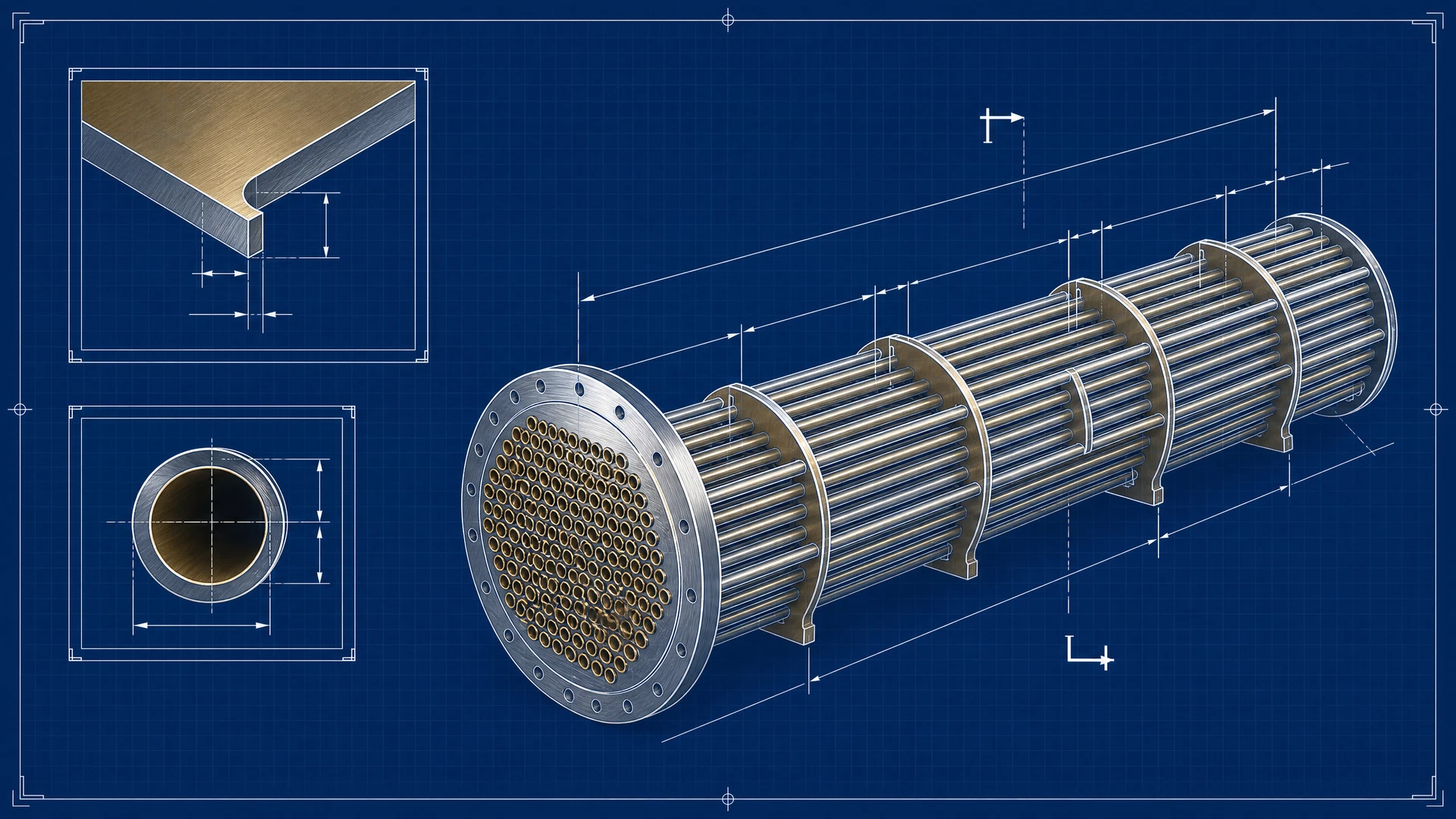
Stainless-Steel Heat Exchangers in District Energy
Stainless steel heat exchangers are widely utilized across industrial sectors, including chemical processing, power generation, and refrigeration, due to their robust mechanical properties and corrosion resistance. Common alloys include 304, 316, and 316L, with the "L" designation indicating extra-low carbon content that minimizes sensitization during welding. In a district heating or cooling plant, the documented process context matters: In the district energy industry, heat exchangers are critical components used to transfer thermal energy between a centralized production plant and individual building systems. District heating and cooling networks utilize these units within Energy Transfer Stations (ETS) or central facilities to isolate the primary distribution loop from the secondary building loops.
This page combines the approved stainless-steel heat exchangers identification record with the approved district energy process record. It does not infer condition, suitability, ownership, or value from an industry label alone.
Identification and documentation checklist
A seller should connect the physical unit to its service and records before requesting evaluation. For this intersection, document both the asset construction and its actual district energy duty.
- Nameplate indicating manufacturer, ASME stamp, TEMA class, design pressure, and temperature.
- Material documentation confirming 304, 316, or 316L stainless steel.
- Hydrostatic test records.
- Eddy current testing reports for tube bundle integrity.
- Identify system capacity, flow rates, and operating temperatures.
- check for Energy Transfer Station (ETS) designation.
Condition and value factors
Stainless steel heat exchangers provide excellent corrosion resistance for mild to moderately oxidizing and reducing environments. That technical characteristic is only one input; current condition, completeness, documentation, demand fit, installed scope, and logistics also influence review.
District energy heat exchangers transfer thermal energy between centralized plants and building systems. Service history and residual-process disclosure should therefore be evaluated with the equipment record rather than treated as an automatic positive or negative value conclusion.
- Current photographs and readable nameplate
- Dimensions, weight, quantity, and installation state
- Known metallurgy and service fluid
- Inspection, cleaning, repair, and operating history
- Seller authority and intended disposition timing
Commercial review boundary
Submission requests a fact-based buying review. It does not guarantee purchase, price, payment timing, removal, loading, freight, or reuse. Those terms require separate written confirmation after the equipment and project facts are reviewed.
Page-specific questions
Frequently asked questions
Can used stainless-steel heat exchangers from district energy be submitted?
Yes. New-surplus, used, damaged, and scrap-condition equipment may be submitted. The records and observable condition determine the appropriate evaluation path; submission does not guarantee purchase.
Which records should be included?
Include the nameplate, equipment tag, data sheet or drawing when available, metallurgy, service, dimensions, weight, quantity, operating and inspection history, current photographs, location, and installation state.
Does the industry or material name determine value?
No. An industry, configuration, or alloy label does not establish value by itself. Identification, condition, completeness, documentation, demand fit, access, removal scope, and logistics are reviewed together.
Technical references
Secure equipment submission
Request a review for this heat exchanger
Required fields are marked. Share the equipment, condition, location, access, and supporting records available for review.