District Energy removal planning
Carbon-Steel Heat Exchangers Removal for District Energy Facilities
Prepare a removal and logistics review for carbon-steel heat exchangers installed at a district heating or cooling plant. The process begins with isolation, residual-service, dimensions, weight, access, lift, loading, and responsibility facts—not a guaranteed pickup date.
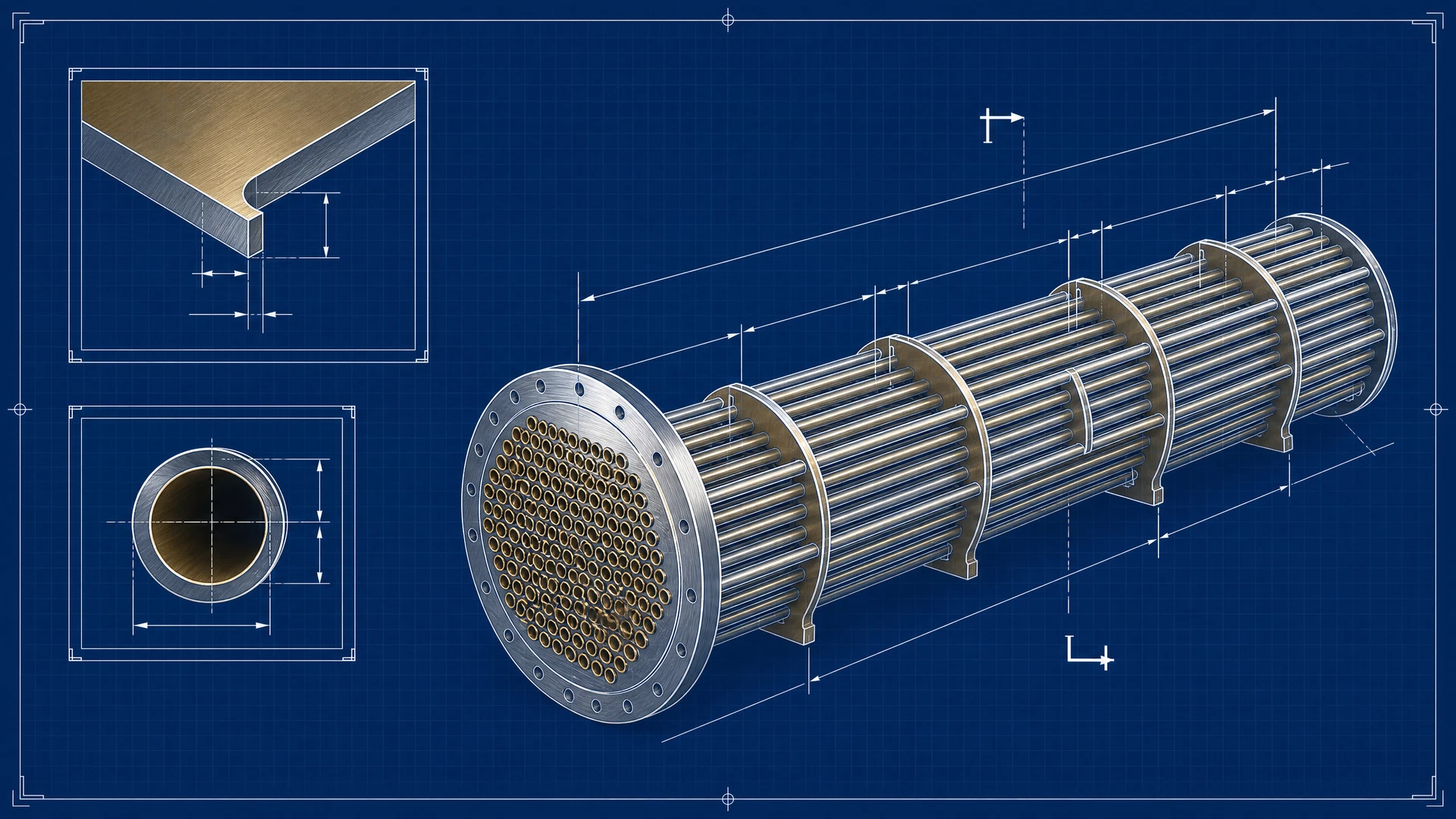
Carbon-Steel Heat Exchangers removal context in District Energy
Carbon steel heat exchangers are widely utilized across the chemical, petrochemical, and power generation industries due to their cost-effectiveness and structural integrity under high pressures and temperatures. Installed removal from a district heating or cooling plant also depends on the actual process, residual service, isolation status, surrounding systems, and facility access described in the district energy evidence record.
The removal plan must be based on the submitted unit and site. This page does not imply a local crew, permit authority, preapproved lift, guaranteed pickup, or unconditional service availability.
Isolation and residual-service record
Before commercial or logistics commitments, document how both exchanger sides were isolated, drained, cleaned, released, and separated from the district energy system. Unknown conditions should be identified as unknown.
- Identify system capacity, flow rates, and operating temperatures.
- check for Energy Transfer Station (ETS) designation.
- verify maintenance records and pressure test history.
- Heavy equipment requiring specialized rigging and lifting for removal.
- Must be properly drained, flushed, and isolated prior to removal.
- Ensure any biofouling or residual process fluids are managed according to environmental regulations.
Dismantling, loading, and freight planning
The physical plan should connect the carbon-steel heat exchangers configuration to verified dimensions, weight, lifting points, access, staging, carrier profile, and responsibility boundaries.
- Heavy equipment requiring specialized rigging and lifting for removal.
- Must be properly drained, flushed, and isolated prior to removal.
- Ensure any biofouling or residual process fluids are managed according to environmental regulations.
- Bundle removal (for floating or U-tube types) requires adequate clearance space.
- Ensure complete isolation from the active district heating or cooling network before removal.
- drain and safely manage residual heat transfer fluids or treated water.
- plan for heavy lifting and rigging, especially for large central plant units.
Written scope before work
Dismantling, rigging, loading, freight, scheduling, and payment are conditional project functions. A written scope must identify responsible parties, safety release, access rules, exclusions, equipment boundaries, carrier requirements, and commercial terms before performance.
Carbon-Steel Heat Exchangers Removal for District Energy Facilities condition and logistics record
For carbon-steel heat exchangers removal for district energy facilities, record observable condition, installation state, dimensions, weight, current location, site access, loading capability, and timing constraints before requesting commercial review.
Page-specific questions
Frequently asked questions
Can removal of carbon-steel heat exchangers from a district energy facility be included?
It may be considered after written review of isolation, residual service, dimensions, weight, access, lifting, dismantling, loading, safety, schedule, and responsibility boundaries.
Is pickup or removal guaranteed?
No. Submission requests review only. Removal, loading, freight, timing, payment, and provider scope require separate written confirmation.
What site information is needed?
Provide installed and access-route photos, elevation and opening dimensions, verified weight, lifting-point information, isolation and cleaning status, site rules, staging conditions, loading capability, and schedule constraints.
Technical references
Secure equipment submission
Request a review for this heat exchanger
Required fields are marked. Share the equipment, condition, location, access, and supporting records available for review.