Approved jurisdiction hub
Heat Exchanger Buyer in Utah
Prepare a heat exchanger submission for equipment located in Utah using the jurisdiction's documented process-industry and freight context together with the actual equipment record.
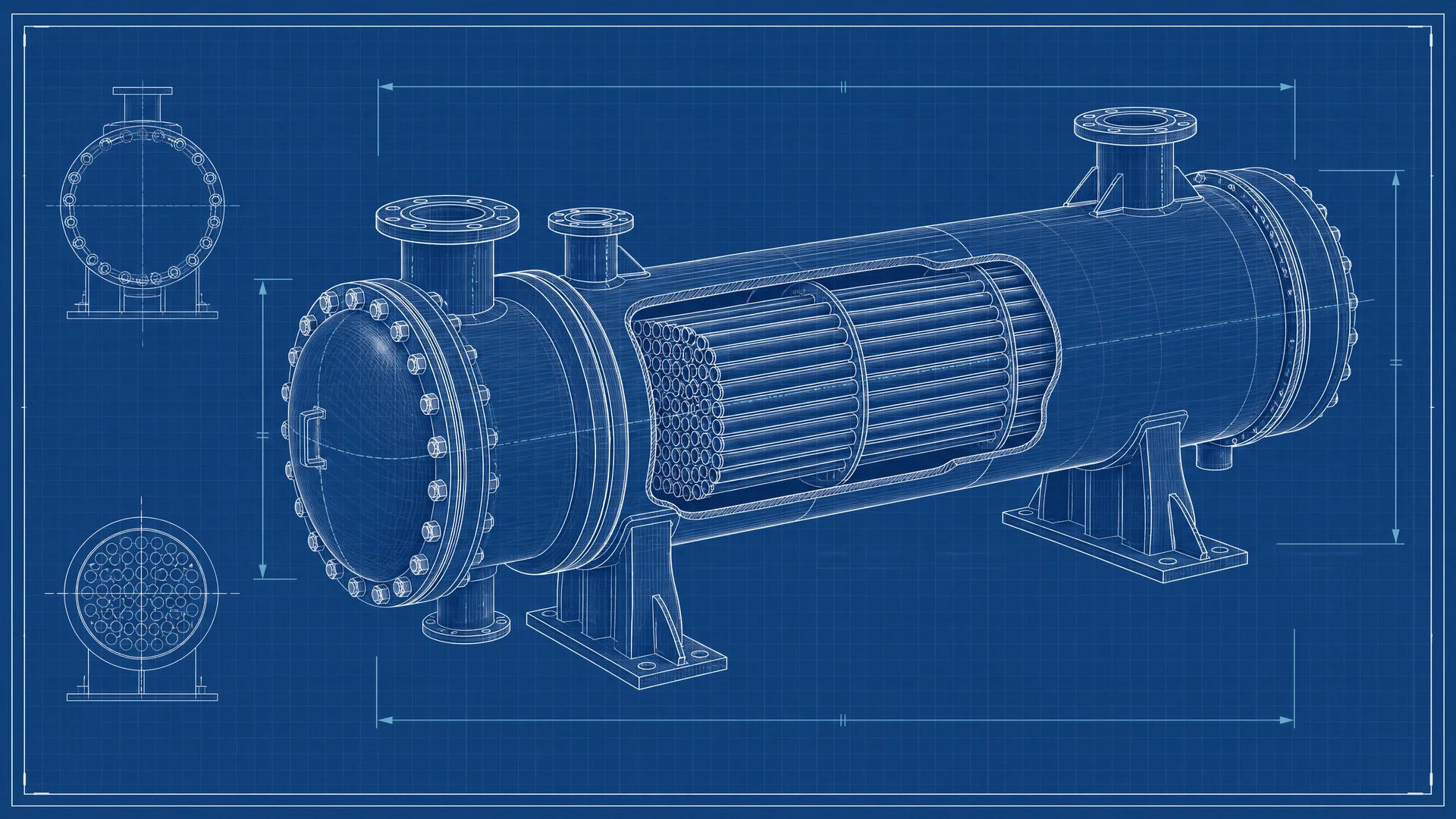
Utah process-industry context
Utah is a significant player in the U.S. energy and refining sector, ranking 9th nationally for crude oil production as of 2023. The state features five major refineries located in Salt Lake and Davis Counties, which collectively process over 200,000 barrels of crude oil per day into products such as gasoline, diesel, and jet fuel. These facilities rely heavily on thermal management equipment, including heat exchangers, for critical distillation, conversion, and purification processes. Beyond refining, Utah is seeing substantial industrial growth, with over $11.7 billion in projects under construction, including significant investments in the food and beverage sector (such as large-scale flour milling and snack manufacturing facilities) and power generation (such as the Intermountain Power Plant transitioning to natural gas and hydrogen).
Utah’s logistics infrastructure is anchored by the Utah Inland Port Authority (UIPA) and its "Crossroads of the West" strategic location. The Northwest Quadrant in Salt Lake City is the state's largest freight generator, handling one in five truck trips. The state benefits from dual Class I rail service (Union Pacific and BNSF) and access to 80 million consumers within an 18-hour truck drive. The UIPA is actively investing in multi-modal logistics solutions, expanding rail access to reduce truck congestion, and enhancing connections with West Coast ports to support advanced manufacturing and efficient supply chain operations.
Utah freight and logistics context
Utah is a significant player in the U.S. energy and refining sector, ranking 9th nationally for crude oil production as of 2023. The state features five major refineries located in Salt Lake and Davis Counties, which collectively process over 200,000 barrels of crude oil per day into products such as gasoline, diesel, and jet fuel. These facilities rely heavily on thermal management equipment, including heat exchangers, for critical distillation, conversion, and purification processes. Beyond refining, Utah is seeing substantial industrial growth, with over $11.7 billion in projects under construction, including significant investments in the food and beverage sector (such as large-scale flour milling and snack manufacturing facilities) and power generation (such as the Intermountain Power Plant transitioning to natural gas and hydrogen).
Utah’s logistics infrastructure is anchored by the Utah Inland Port Authority (UIPA) and its "Crossroads of the West" strategic location. The Northwest Quadrant in Salt Lake City is the state's largest freight generator, handling one in five truck trips. The state benefits from dual Class I rail service (Union Pacific and BNSF) and access to 80 million consumers within an 18-hour truck drive. The UIPA is actively investing in multi-modal logistics solutions, expanding rail access to reduce truck congestion, and enhancing connections with West Coast ports to support advanced manufacturing and efficient supply chain operations.
Prepare the equipment record
Describe the actual exchanger and site rather than relying on geography alone.
- Equipment type, duty, manufacturer, model, and serial number
- Condition, materials, dimensions, weight, and quantity
- Installation, dismantling, loading, and access facts
- Photos, nameplate, drawings, and inspection records
Page-specific questions
Frequently asked questions
How does Utah affect an equipment review?
The equipment origin helps frame access, dimensions, loading facts, and transportation questions. Any project responsibilities require equipment-specific written review.
What should a seller in Utah provide?
Provide the exchanger type, service, condition, materials, dimensions, weight, location, access facts, photographs, nameplate, and available technical records.
Are dismantling, loading, or freight guaranteed?
No. Those functions may be included only after written review of scope, safety, access, responsibilities, schedule, and commercial terms.
Technical references
Secure equipment submission
Request a review for this heat exchanger
Required fields are marked. Share the equipment, condition, location, access, and supporting records available for review.