Approved jurisdiction hub
Heat Exchanger Buyer in Oregon
Prepare a heat exchanger submission for equipment located in Oregon using the jurisdiction's documented process-industry and freight context together with the actual equipment record.
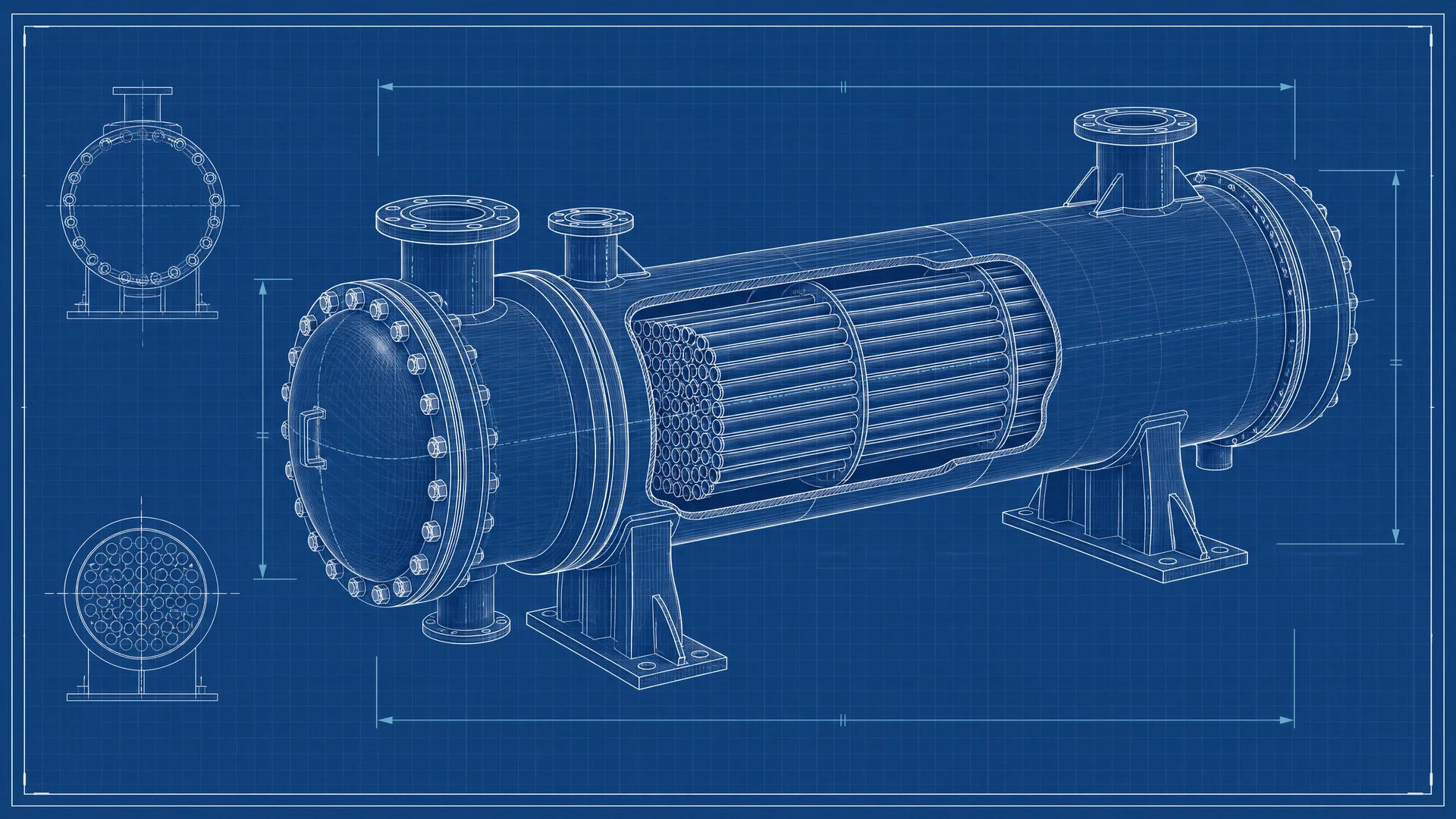
Oregon process-industry context
Oregon’s manufacturing sector provides a strong base for industrial heat exchanger applications, primarily driven by natural resources and advanced manufacturing. Key process industries include: **Food Processing & Preservation**: Food manufacturing is a major sector, with frozen food manufacturing and fruit and vegetable canning/pickling representing significant employment [1]. Heat exchangers are critical in these processes for pasteurization, cooling, and freezing operations. **Forestry, Pulp & Paper**: Oregon maintains a strong legacy in forestry and wood products. The state is home to veneer, engineered wood products, and sawmills [1]. The pulp and paper industry, though experiencing declines, remains a notable sector requiring heavy industrial equipment for chemical recovery and paper drying processes [2]. **Semiconductor & Electronic Components**: This is the largest manufacturing industry in Oregon, centered in the "Silicon Forest" around the Portland area [1]. While less reliant on traditional heavy industrial heat exchangers, the sector requires precise thermal management and cooling systems. **Chemical & Refining**: Oregon has specialized chemical and refining operations, such as the Oil Re-Refining Company (ORRCo) in Portland, which processes used oil and oily water into refined fuel oil [3].
Oregon freight and logistics context
Oregon's freight network is a critical component of the global supply chain, supported by the Oregon Freight Plan [4]. Key logistics infrastructure includes: **Multimodal Ports**: Oregon has 23 public ports, including the Port of Portland and the Oregon International Port of Coos Bay. These ports facilitate the movement of agricultural goods, timber, and industrial equipment [5]. **Highway Corridors**: Interstate 5 serves as the primary north-south freight artery, with ongoing projects by the Oregon Department of Transportation (ODOT) to improve freight mobility and reduce delays [6]. **Rail and Intermodal**: The state is investing in rail infrastructure, such as the Pacific Coast Intermodal Port project in Coos Bay, to enhance cargo movement capabilities [7].
Prepare the equipment record
Describe the actual exchanger and site rather than relying on geography alone.
- Equipment type, duty, manufacturer, model, and serial number
- Condition, materials, dimensions, weight, and quantity
- Installation, dismantling, loading, and access facts
- Photos, nameplate, drawings, and inspection records
Page-specific questions
Frequently asked questions
How does Oregon affect an equipment review?
The equipment origin helps frame access, dimensions, loading facts, and transportation questions. Any project responsibilities require equipment-specific written review.
What should a seller in Oregon provide?
Provide the exchanger type, service, condition, materials, dimensions, weight, location, access facts, photographs, nameplate, and available technical records.
Are dismantling, loading, or freight guaranteed?
No. Those functions may be included only after written review of scope, safety, access, responsibilities, schedule, and commercial terms.
Technical references
- Reference 1 · www.qualityinfo.org
- Reference 2 · oregonbusinessplan.org
- Reference 3 · www.oregon.gov
- Reference 4 · www.oregon.gov
- Reference 5 · infrastructurereportcard.org
- Reference 6 · www.oregon.gov
- Reference 7 · www.portofcoosbay.com
- Reference 8 · www.greaterportlandinc.com
- Reference 9 · heatexchangermanufacturers.com
Secure equipment submission
Request a review for this heat exchanger
Required fields are marked. Share the equipment, condition, location, access, and supporting records available for review.