Approved jurisdiction hub
Heat Exchanger Buyer in Minnesota
Prepare a heat exchanger submission for equipment located in Minnesota using the jurisdiction's documented process-industry and freight context together with the actual equipment record.
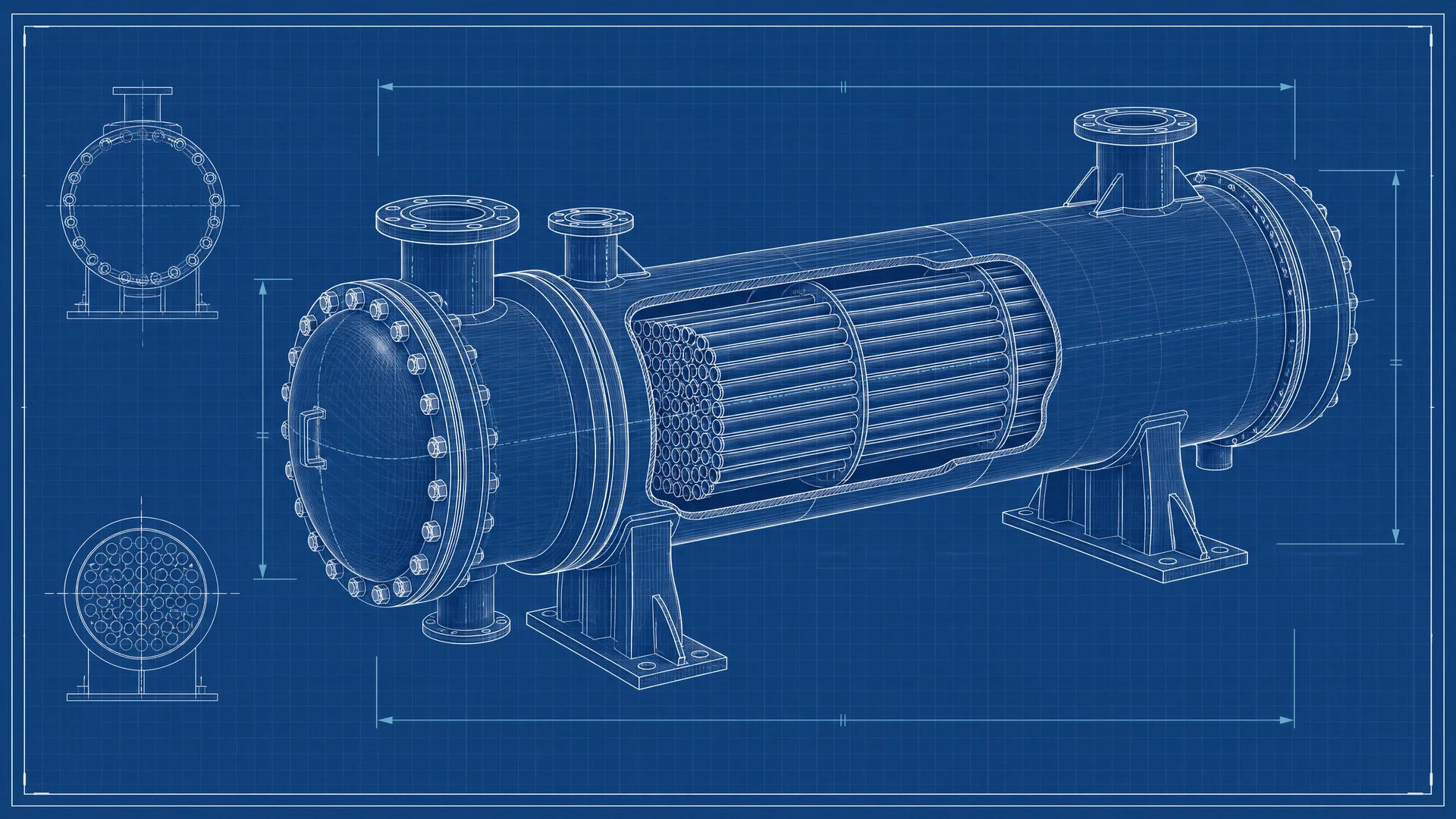
Minnesota process-industry context
Minnesota maintains a diverse industrial base that requires robust thermal management and heat exchange equipment. Although the state does not produce crude oil, it plays a critical role in petroleum refining. Minnesota is home to two major crude oil refineries with a combined capacity of approximately 440,000 barrels per calendar day [1]. The Pine Bend refinery, operated by Flint Hills Resources in the Twin Cities suburbs, is the 13th-largest refinery in the United States and the largest in a non-oil-producing state, processing about 335,000 barrels daily [1]. The St. Paul Park refinery, operated by Marathon Petroleum, processes approximately 105,000 barrels per day of sweet and heavy sour crude [1] [2]. These refining operations rely heavily on industrial heat exchangers for distillation, cracking, and fluid temperature regulation.
Beyond refining, Minnesota has a strong presence in the power generation and biofuels sectors. Renewable resources generated 33 percent of the state's electricity in 2024, while natural gas and nuclear power supplied 26 percent and 20 percent, respectively [1]. The Prairie Island nuclear power plant and the Sherburne County Generating Station are major baseload facilities [1]. In the biofuels sector, Minnesota ranks as the fourth-largest fuel ethanol producer in the nation, operating 18 plants primarily located in the agricultural southern and western regions [1]. The state is also the eighth-largest biodiesel producer [1]. Furthermore, Minnesota's manufacturing sector is the second largest in the state's economy, contributing significantly to the GDP, with established clusters in food processing, chemical production, and iron mining [3] [4].
Minnesota freight and logistics context
Minnesota's freight and logistics network is highly developed to support its industrial sectors. The state utilizes a multimodal transportation system encompassing waterways, rail, and highways. The Mississippi River, which begins in Minnesota, serves as a vital corridor for transporting dry and liquid bulk commodities, including petroleum and agricultural products [1]. On Lake Superior, the Twin Ports of Duluth-Superior form the largest port in the state, connecting to the Great Lakes-St. Lawrence Seaway System for international shipping [1].
Rail transport is also a crucial component of Minnesota's supply chain, moving approximately 19 percent of the state's total annual freight tonnage [5]. The state is serviced by multiple Class I railroads that facilitate the movement of heavy industrial equipment and raw materials. Additionally, Minnesota's highway infrastructure includes key routes on the National Highway Freight Network, such as Interstates 35 and 94, which provide critical trucking corridors for delivering custom shell and tube heat exchangers to regional facilities [1] [6].
Prepare the equipment record
Describe the actual exchanger and site rather than relying on geography alone.
- Equipment type, duty, manufacturer, model, and serial number
- Condition, materials, dimensions, weight, and quantity
- Installation, dismantling, loading, and access facts
- Photos, nameplate, drawings, and inspection records
Page-specific questions
Frequently asked questions
How does Minnesota affect an equipment review?
The equipment origin helps frame access, dimensions, loading facts, and transportation questions. Any project responsibilities require equipment-specific written review.
What should a seller in Minnesota provide?
Provide the exchanger type, service, condition, materials, dimensions, weight, location, access facts, photographs, nameplate, and available technical records.
Are dismantling, loading, or freight guaranteed?
No. Those functions may be included only after written review of scope, safety, access, responsibilities, schedule, and commercial terms.
Technical references
Secure equipment submission
Request a review for this heat exchanger
Required fields are marked. Share the equipment, condition, location, access, and supporting records available for review.