Oil Refining asset evaluation
Sell Waste-Heat Recovery Exchangers From Oil Refining Facilities
Request an evidence-led buying review for waste-heat recovery exchangers from a refinery. The review combines configuration, service, condition, documentation, location, access, and scope without promising purchase, value, or timing.
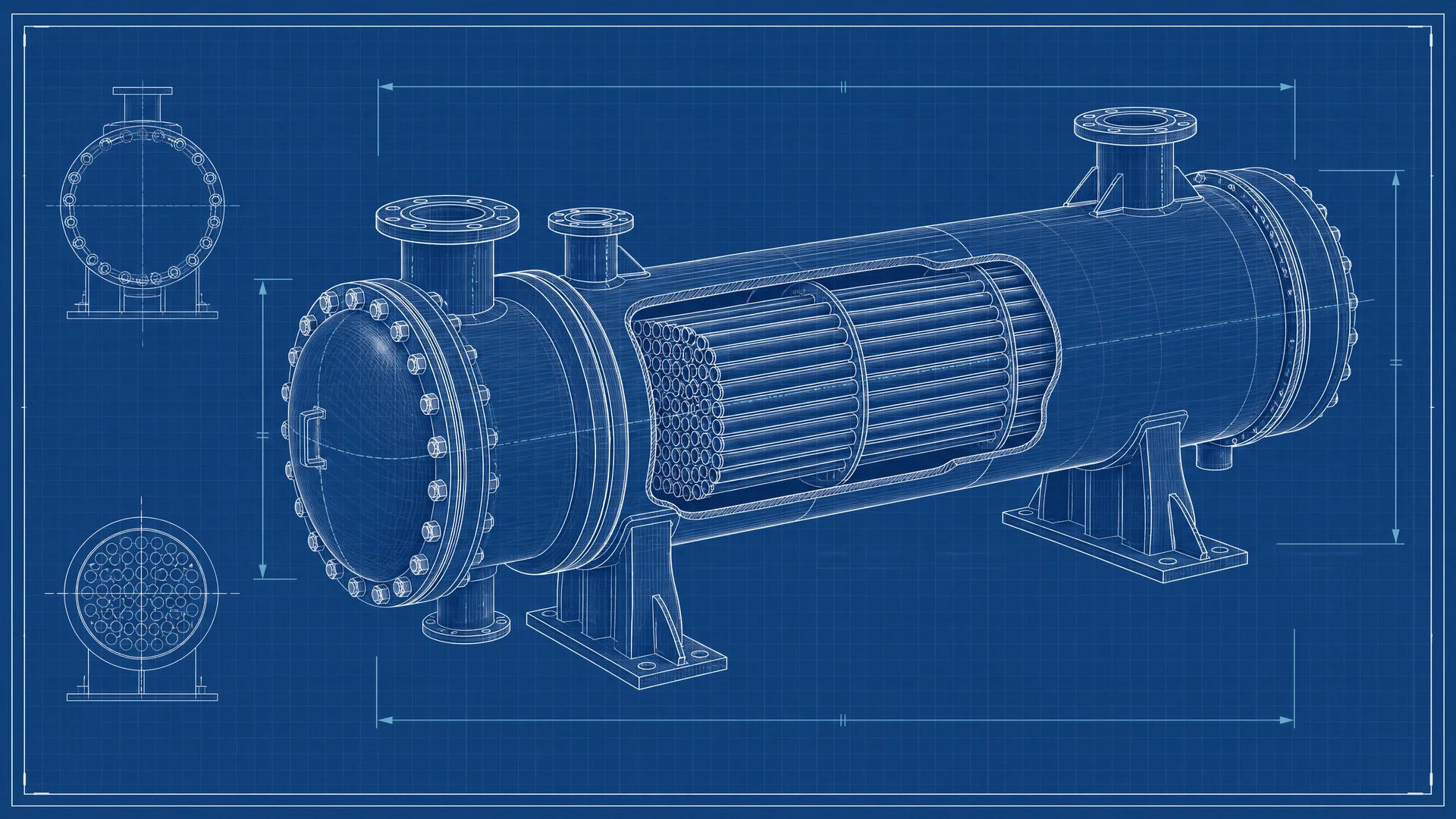
Waste-Heat Recovery Exchangers in Oil Refining
Waste-heat recovery exchangers are critical components in industrial energy efficiency, designed to capture and reuse thermal energy from high-temperature exhaust gases, cooling water, and hot equipment surfaces. According to the U.S. In a refinery, the documented process context matters: In the petroleum refining industry, heat exchangers are critical components used extensively throughout various stages of processing crude oil into finished products. They are employed in primary operations such as atmospheric and vacuum distillation, where they heat crude oil before it enters distillation columns and cool the separated hydrocarbon fractions as they condense.
This page combines the approved waste-heat recovery exchangers identification record with the approved oil refining process record. It does not infer condition, suitability, ownership, or value from an industry label alone.
Identification and documentation checklist
A seller should connect the physical unit to its service and records before requesting evaluation. For this intersection, document both the asset construction and its actual oil refining duty.
- Verify the heat exchanger type (e.g., shell-and-tube, plate, or condensing economizer).
- Check nameplates for material specifications, especially high-temperature alloys or corrosion-resistant coatings.
- Review maintenance logs for records of fouling, scaling, or tube bundle replacements.
- Inspect for signs of gas-side erosion or acid dew point corrosion in condensing units.
- Check equipment data plates for ASME, TEMA, or API specifications.
- Verify material of construction for tubes, shell, and heads (e.g., carbon steel, stainless steel, alloys).
Condition and value factors
Waste-heat recovery exchangers are specialized units designed to capture thermal energy from high-temperature exhaust gases or liquid waste streams. That technical characteristic is only one input; current condition, completeness, documentation, demand fit, installed scope, and logistics also influence review.
Suitable for use in industrial oil refining processes. Service history and residual-process disclosure should therefore be evaluated with the equipment record rather than treated as an automatic positive or negative value conclusion.
- Current photographs and readable nameplate
- Dimensions, weight, quantity, and installation state
- Known metallurgy and service fluid
- Inspection, cleaning, repair, and operating history
- Seller authority and intended disposition timing
Commercial review boundary
Submission requests a fact-based buying review. It does not guarantee purchase, price, payment timing, removal, loading, freight, or reuse. Those terms require separate written confirmation after the equipment and project facts are reviewed.
Page-specific questions
Frequently asked questions
Can used waste-heat recovery exchangers from oil refining be submitted?
Yes. New-surplus, used, damaged, and scrap-condition equipment may be submitted. The records and observable condition determine the appropriate evaluation path; submission does not guarantee purchase.
Which records should be included?
Include the nameplate, equipment tag, data sheet or drawing when available, metallurgy, service, dimensions, weight, quantity, operating and inspection history, current photographs, location, and installation state.
Does the industry or material name determine value?
No. An industry, configuration, or alloy label does not establish value by itself. Identification, condition, completeness, documentation, demand fit, access, removal scope, and logistics are reviewed together.
Technical references
Secure equipment submission
Request a review for this heat exchanger
Required fields are marked. Share the equipment, condition, location, access, and supporting records available for review.