General Manufacturing removal planning
Brazed-Plate Heat Exchangers Removal for General Manufacturing Facilities
Prepare a removal and logistics review for brazed-plate heat exchangers installed at a manufacturing facility. The process begins with isolation, residual-service, dimensions, weight, access, lift, loading, and responsibility facts—not a guaranteed pickup date.
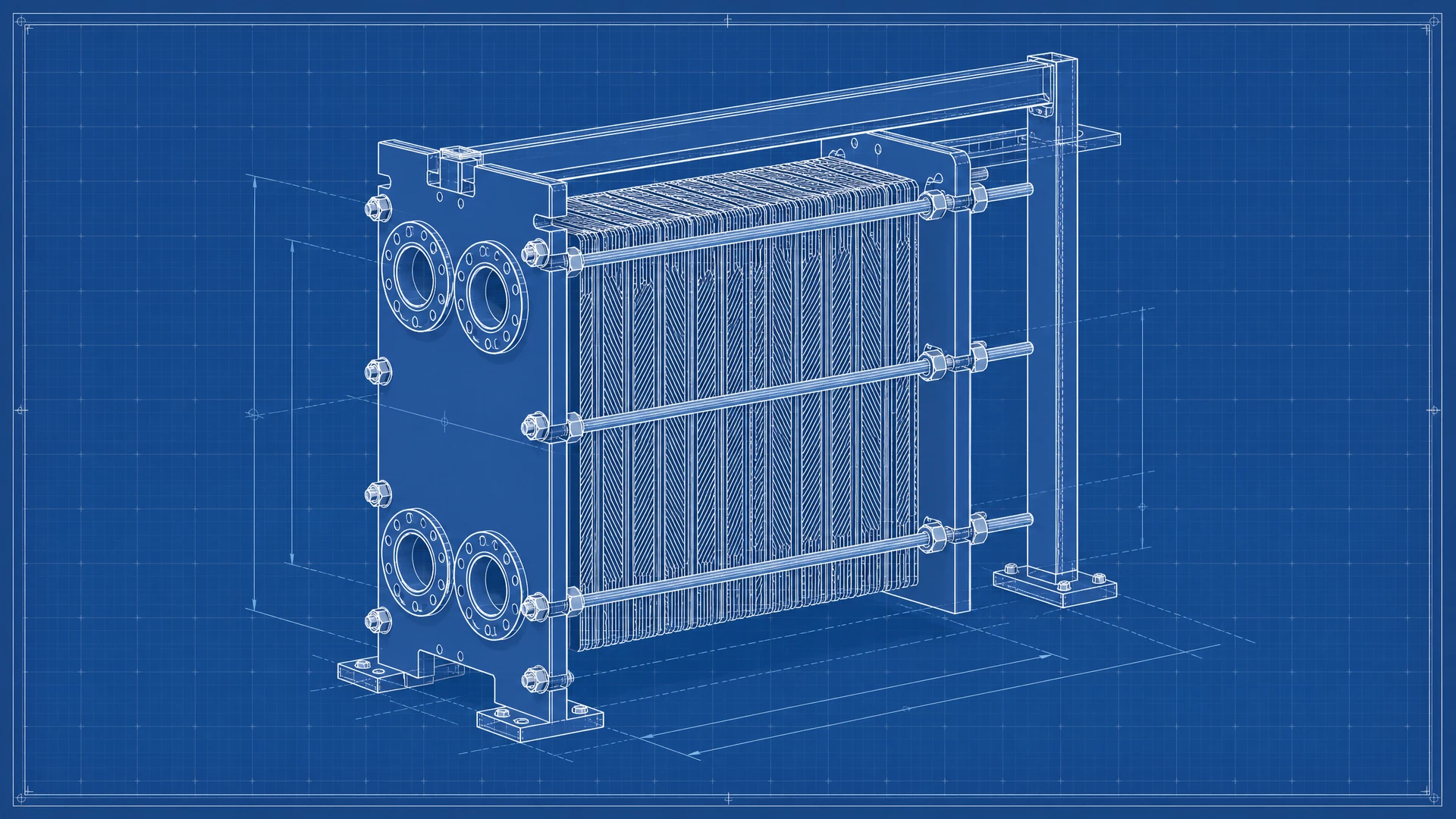
Brazed-Plate Heat Exchangers removal context in General Manufacturing
Brazed-plate heat exchangers are compact, highly efficient thermal transfer devices constructed by vacuum-brazing corrugated stainless steel plates together, typically using copper as the filler material. Installed removal from a manufacturing facility also depends on the actual process, residual service, isolation status, surrounding systems, and facility access described in the general manufacturing evidence record.
The removal plan must be based on the submitted unit and site. This page does not imply a local crew, permit authority, preapproved lift, guaranteed pickup, or unconditional service availability.
Isolation and residual-service record
Before commercial or logistics commitments, document how both exchanger sides were isolated, drained, cleaned, released, and separated from the general manufacturing system. Unknown conditions should be identified as unknown.
- Review maintenance logs for cleaning and inspection history.
- verify TEMA or ASME code stamps if applicable.
- inspect construction materials (e.g., stainless steel, copper-nickel, special alloys).
- Lightweight design often permits manual or light-equipment handling.
- Cannot be disassembled, requiring removal as a single unit.
- Drain fully before transport as internal channels are narrow and hold residual fluid.
Dismantling, loading, and freight planning
The physical plan should connect the brazed-plate heat exchangers configuration to verified dimensions, weight, lifting points, access, staging, carrier profile, and responsibility boundaries.
- Lightweight design often permits manual or light-equipment handling.
- Cannot be disassembled, requiring removal as a single unit.
- Drain fully before transport as internal channels are narrow and hold residual fluid.
- Ensure piping connections are cleanly cut or unthreaded to prevent damage to brazed joints.
- Ensure isolation from active steam and process fluid lines.
- address potential residual fluids, fouling, or hazardous contaminants before removal.
- coordinate heavy lifting for large shell-and-tube units.
Written scope before work
Dismantling, rigging, loading, freight, scheduling, and payment are conditional project functions. A written scope must identify responsible parties, safety release, access rules, exclusions, equipment boundaries, carrier requirements, and commercial terms before performance.
Brazed-Plate Heat Exchangers Removal for General Manufacturing Facilities condition and logistics record
For brazed-plate heat exchangers removal for general manufacturing facilities, record observable condition, installation state, dimensions, weight, current location, site access, loading capability, and timing constraints before requesting commercial review.
Page-specific questions
Frequently asked questions
Can removal of brazed-plate heat exchangers from a general manufacturing facility be included?
It may be considered after written review of isolation, residual service, dimensions, weight, access, lifting, dismantling, loading, safety, schedule, and responsibility boundaries.
Is pickup or removal guaranteed?
No. Submission requests review only. Removal, loading, freight, timing, payment, and provider scope require separate written confirmation.
What site information is needed?
Provide installed and access-route photos, elevation and opening dimensions, verified weight, lifting-point information, isolation and cleaning status, site rules, staging conditions, loading capability, and schedule constraints.
Technical references
Secure equipment submission
Request a review for this heat exchanger
Required fields are marked. Share the equipment, condition, location, access, and supporting records available for review.